Cafe Food Photos: How to Take Stunning Coffee Shop Photography
Cafe food photos require a different approach than standard menu photography. Learn how to capture the warmth and atmosphere of coffee shop dishes, from latte art to pastries, using just your phone and natural light.
In This Article
- Why Cafe Food Photos Matter
- Phone vs Camera: What You Actually Need
- Natural Light in Coffee Shops
- Angles for Coffee, Pastries, and Cafe Dishes
- Styling Tips for Better Cafe Shots
- The Cafe Aesthetic
- Editing for Warm, Inviting Tones
- AI Tools for Cafe Photography
- FAQ
Why Cafe Food Photos Matter
Your cafe photos are doing more heavy lifting than you might think. Menu items with professional photos see up to 30% higher sales, and 75% of customers decide where to eat based on photo quality alone.
Cafes have unique challenges. Your space often is your aesthetic - customers expect that cozy atmosphere to come through in every image. Unlike chain restaurants with standardized lighting and setups, every coffee shop has different windows, different fixtures, different character.
The competition is real. In the UK alone, the branded coffee shop market is worth £5.3 billion with over 10,000 outlets.[1] On Instagram, #coffeeshop has over 30 million posts. Your photos compete against professional food bloggers and influencers who shoot in cafes like yours every single day.
But here's the good news: cafes have something most restaurants don't. Natural light, cozy textures, and an aesthetic people actively seek out. Your space is already photogenic. You just need to capture it properly.
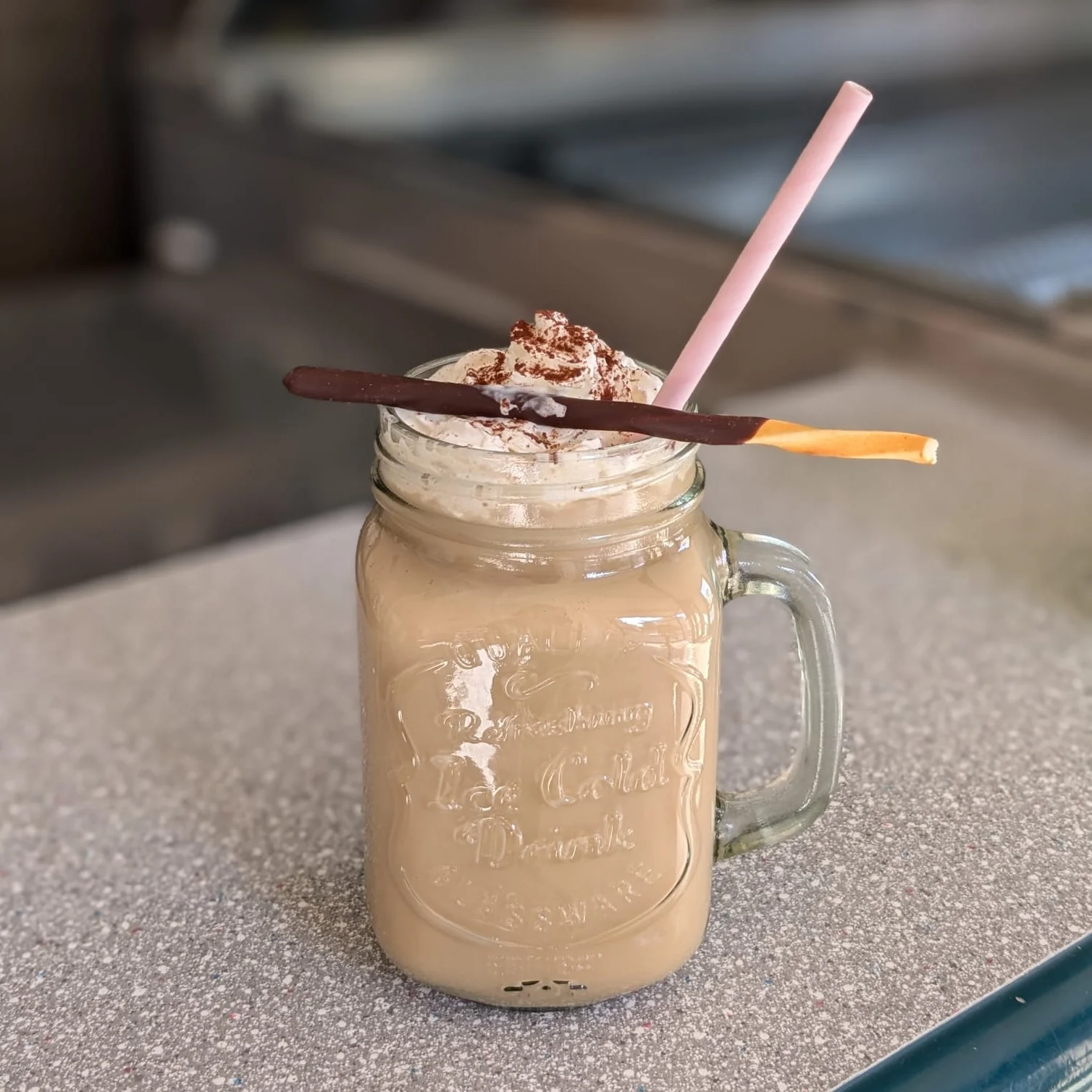 Before
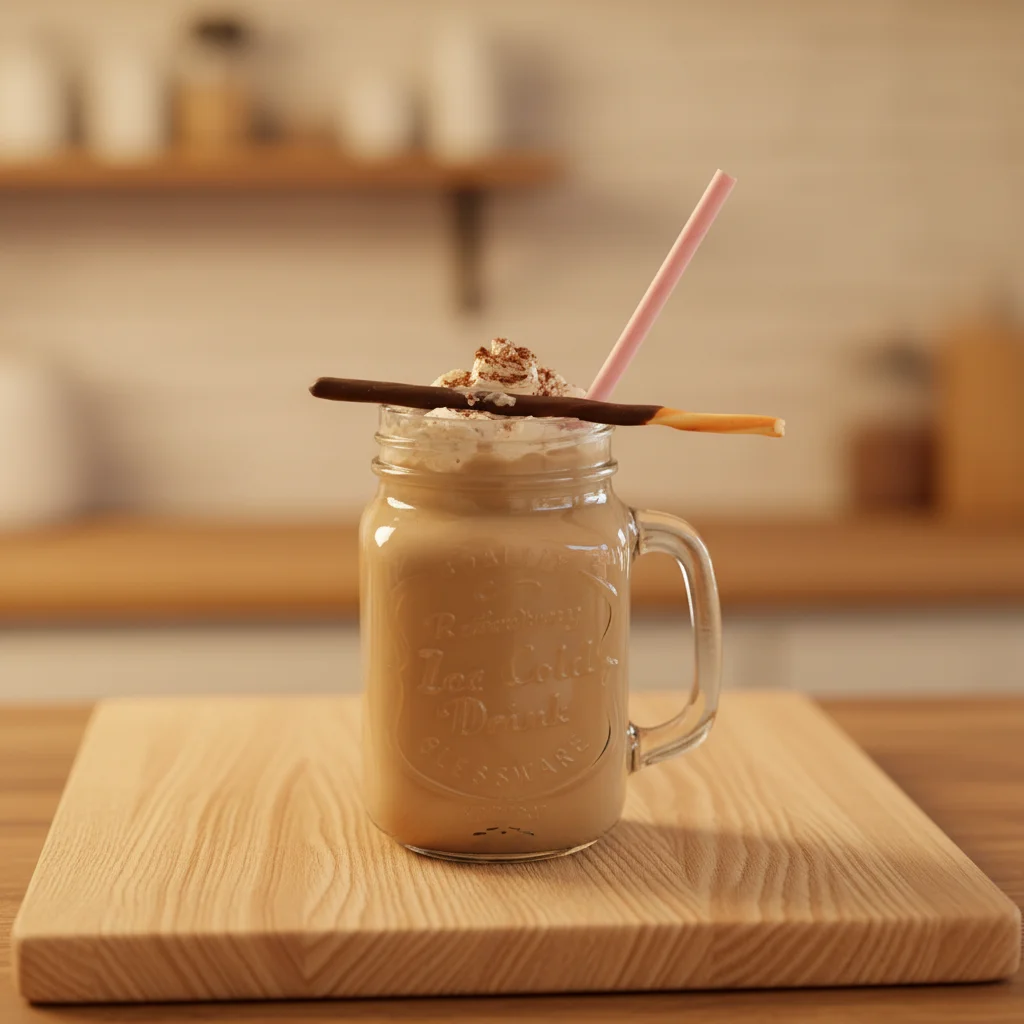 After
AfterPhone vs Camera: What You Actually Need
Your smartphone is enough. Modern phones shoot 12-48 megapixels with computational photography that rivals entry-level DSLRs in decent lighting.
When Your Phone Works Best
Cafes with good windows are ideal for phone photography. Natural light handles most of the heavy lifting. Your phone also gives you quick turnaround for seasonal drinks and daily specials - no equipment setup required.
Social media compresses images anyway. Instagram, TikTok, delivery apps - none of them need the full resolution a professional camera provides.
When a Camera Makes Sense
Dim, moody cafes with minimal natural light push phone cameras past their limits. The photos get noisy and lose detail. Large format print materials (posters, billboards) also benefit from the higher resolution and dynamic range of dedicated cameras.
Phone Settings That Matter
Disable HDR for food photos. It can create unnatural halos around steam and drinks. Use standard photo mode, not portrait mode - portrait often blurs edges of cups and plates incorrectly.
Tap to focus on the food, not the background. Your phone's autofocus will try to find faces or high-contrast areas, which usually isn't what you want.
For iPhones, HEIF format gives better quality at smaller file sizes. Android users should consider enabling RAW capture in pro mode for more editing flexibility.
Natural Light in Coffee Shops
The short version: put your dish beside a window with the light hitting it from the side (9 or 3 o'clock), turn off nearby overhead bulbs, and shoot in the morning or late afternoon rather than harsh midday sun.
Natural light is the single most important factor in cafe photography. Most food photographers prefer shooting with natural daylight because it brings out authentic colours and makes food look fresh.[2] Cafes have this advantage built in.
Window Positioning
Side lighting creates dimension. Position your dish so the window is at 9 o'clock or 3 o'clock relative to your camera. This creates gentle shadows that show texture in pastry crusts, foam patterns, and food surfaces.
Backlighting (window behind the food) creates a dreamy, ethereal look. It makes steam visible and creates attractive rim lighting around cups. You'll need to tap on the food and slide up to brighten the exposure - otherwise your food becomes a silhouette.
Front lighting (window behind you) is flat and usually the least interesting option. Avoid it unless you're specifically going for clean, even product shots.
Time of Day
Morning (7-10am): Soft, cool light - perfect for breakfast pastries and fresh-baked goods.
Midday (11am-2pm): Harsh shadows. Use sheer curtains or avoid direct sunbeams.
Afternoon (3-5pm): Warm, golden light ideal for cozy drinks. The "golden hour" quality makes everything look inviting.
Problem Solving
Mixed lighting (windows + overhead bulbs) creates colour casts - half orange, half blue. Turn off overheads near your shooting spot. Cloudy days are your friend: clouds act as a giant softbox, creating even light throughout your space.[3]
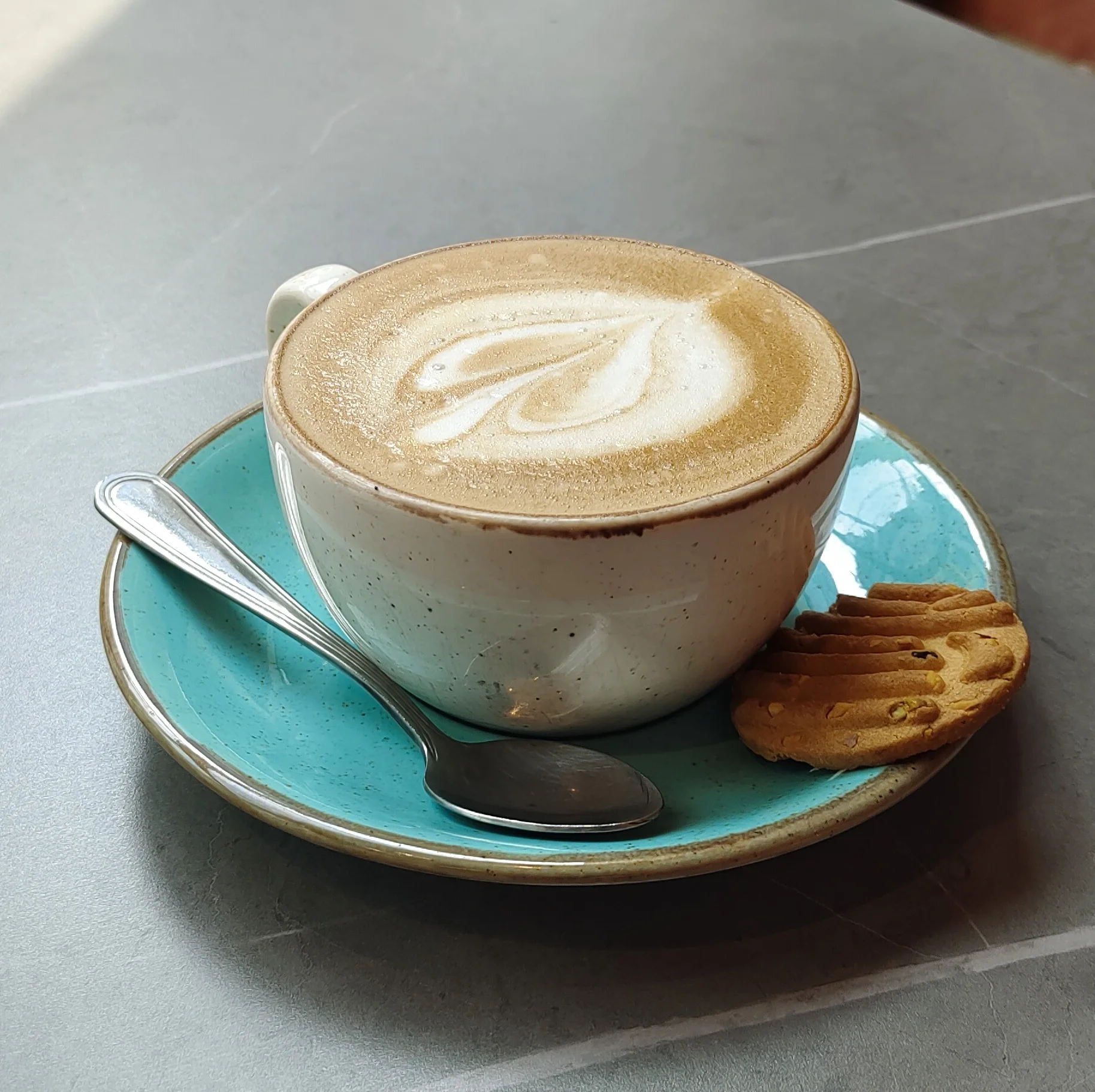 Before
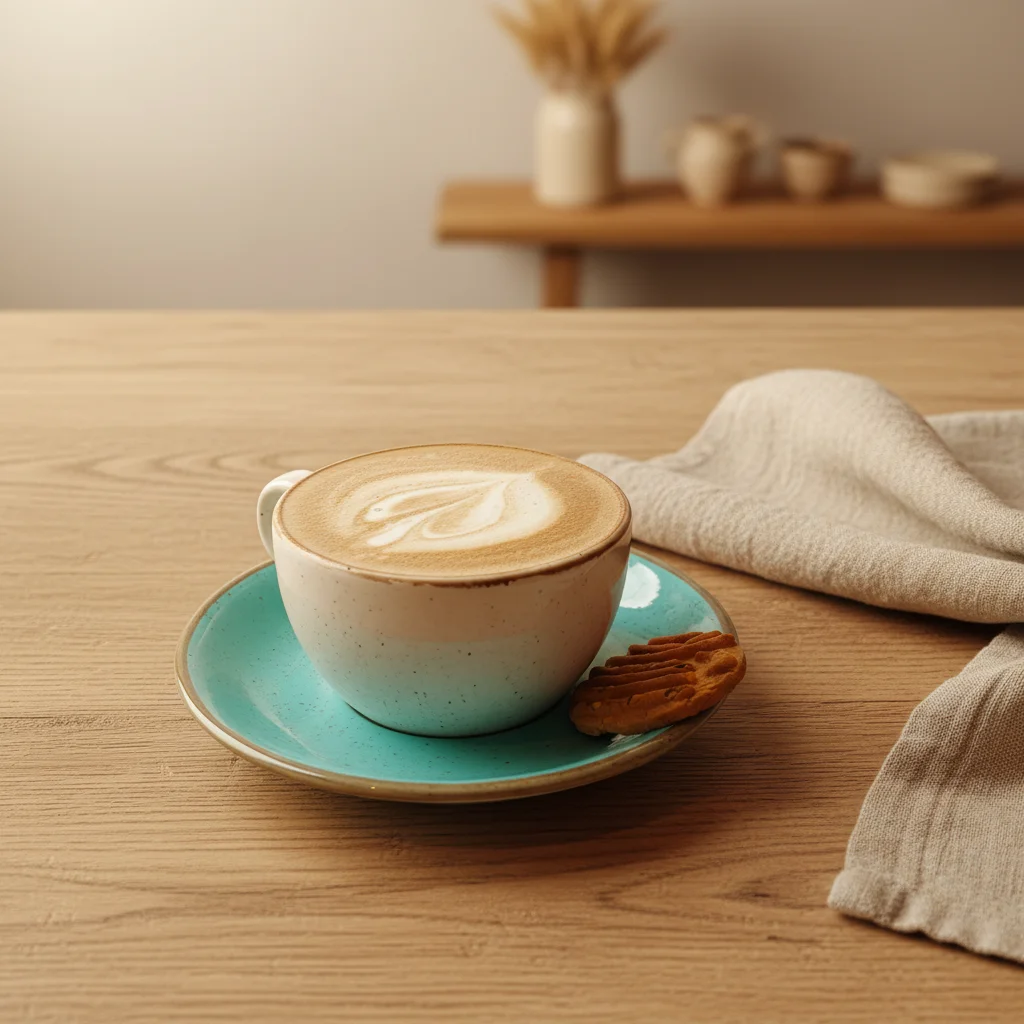 After
AfterAngles for Coffee, Pastries, and Cafe Dishes
The angle you choose can make the same dish look professional or amateur. Different cafe items need different approaches.
Overhead (90 degrees)
Best for: Latte art, flat pastries, toast, bowls, arranged platters.
Overhead is essential for latte art - any other angle distorts the pattern. It also works well for flat lays: coffee cup, pastry, newspaper, small plant arranged together.
The downside: overhead flattens tall items. A stack of pancakes or a towering croissant loses its impressive height shot from above.
45-Degree Angle
Best for: Most cafe dishes, sandwiches, plated pastries, drinks with garnishes.
This mimics how customers actually see food at the table. It shows both top and side, giving context and dimension. It's the most common angle in commercial food photography because it's so versatile.[4]
When in doubt, start here.
Straight-On (0 degrees)
Best for: Layer cakes, tall drinks, stacked items, burgers.
Straight-on emphasizes height and layers. A rainbow cake slice needs this angle to show all the layers. A tall iced coffee with visible gradient shows best from eye level.
Keep in mind you'll capture more of the room behind the food, so the background matters more with this angle.
Quick Reference
| Item | Best Angle | Why |
|---|---|---|
| Latte art | Overhead | Shows pattern without distortion |
| Croissant | 45-degree | Shows flaky layers and height |
| Layer cake slice | Straight-on | Emphasizes layers |
| Avocado toast | Overhead | Shows toppings arrangement |
| Iced coffee | Straight-on | Shows layers and height |
| Pastry platter | Overhead | Shows variety and arrangement |
| Cappuccino | 45-degree | Shows foam and cup shape |
Styling Tips for Better Cafe Shots
Shoot drinks within 90 seconds of pouring, tear pastries slightly for authenticity, keep props to one or two items, and use your cafe's own cups and napkins. Small details create that cozy, aspirational feeling.
Coffee and Hot Drinks
Pour fresh right before you shoot - foam deflates within 90 seconds. Have everything ready before the barista pulls the shot.
For visible steam, soak a cloth in hot water, wring it out, place it behind the cup out of frame.[5] For cold drinks, lightly mist the glass with a spray bottle for refreshing water droplets.
Pastries and Baked Goods
Imperfection looks authentic. Tear off a corner, add some crumbs, place it slightly askew. The "someone's about to eat this" feeling sells better than perfection.
Side lighting emphasizes flaky layers, sugar crystals, and glossy glazes. Note: powdered sugar turns grey within minutes - keep a sieve nearby for touch-ups.
Props and Background
Less is more. One cup, one pastry, maybe one supporting prop. Use your actual cafe materials - branded napkins, your cups, your tables. Authenticity resonates more than Pinterest-perfect staging.
Hands add life. Someone reaching for a cup creates story and movement.
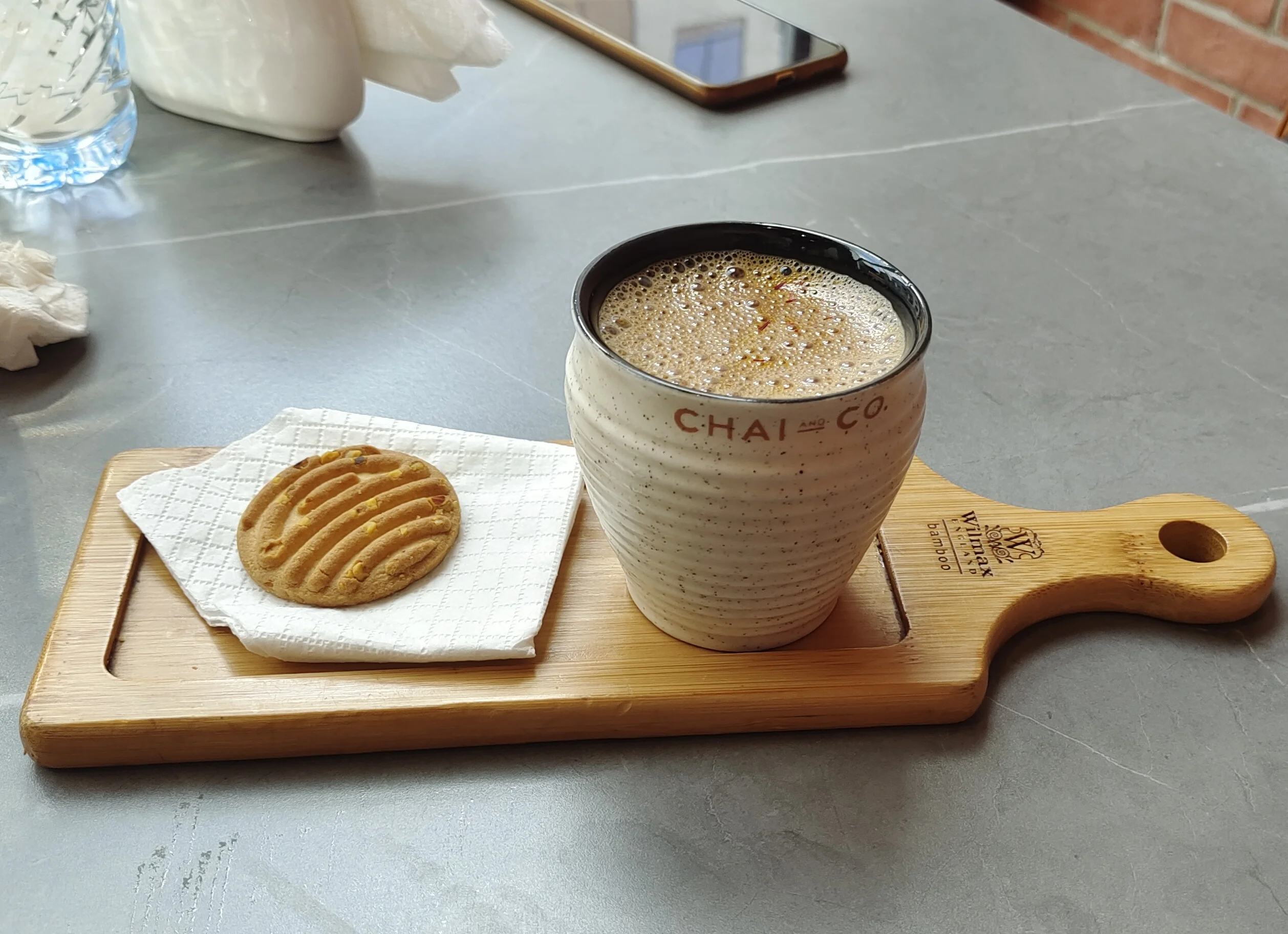 Before
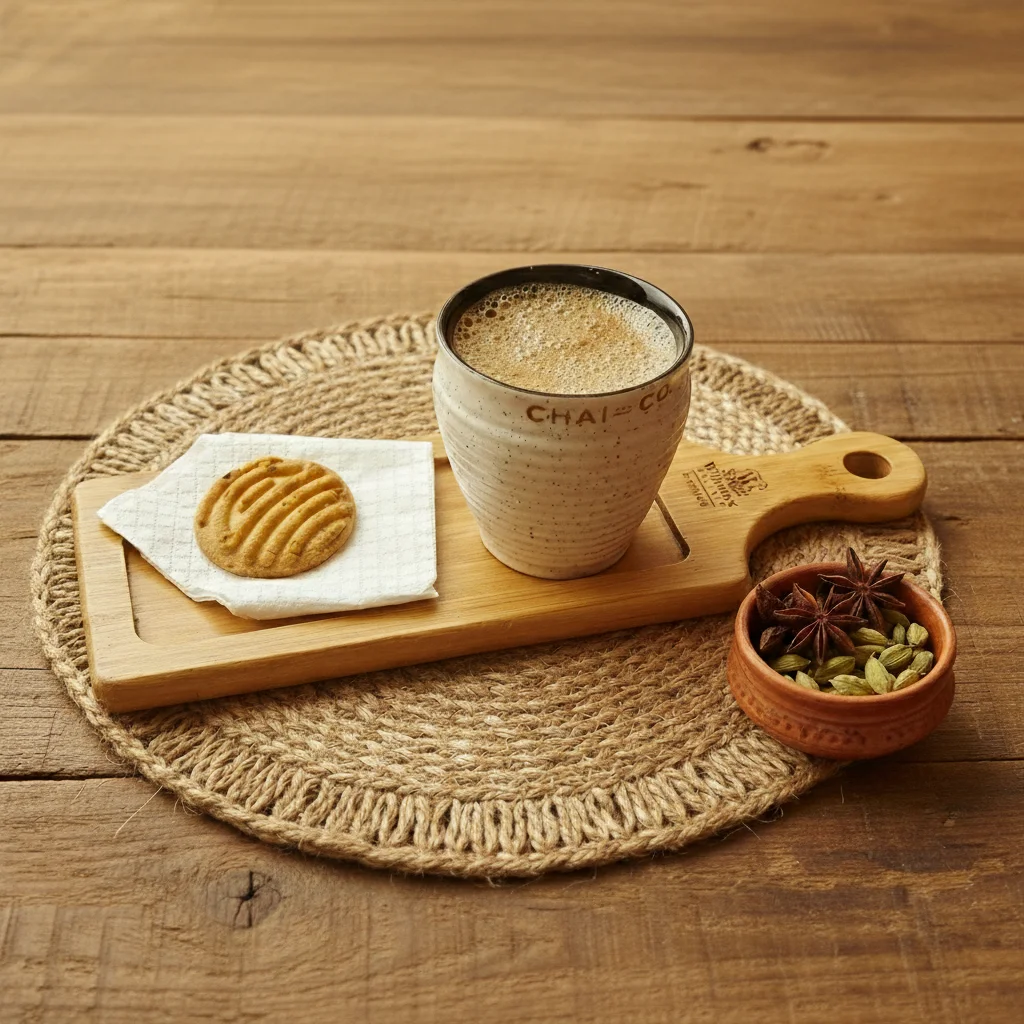 After
AfterThe Cafe Aesthetic
There's a specific visual style that performs well on social media for cafes - warmth, coziness, and lifestyle elements combined.
Colour Palette
Warm neutrals work best: browns, creams, soft whites, muted greens. Wood surfaces, marble, and natural textures match what people expect from cafes. White or light grey works for a specialty-coffee look.
Negative Space
Leave room in your composition. Empty space draws the eye to what matters and creates calm. For Instagram, leave space for text overlays. See our social media food photography guide for platform-specific tips.
Building Consistency
Choose 2-3 signature backgrounds and use them consistently. Your followers should recognize your photos before seeing your logo. Set up a "photography corner" with good light and your preferred background always ready.
Editing for Warm, Inviting Tones
Brighten slightly (0.1-0.3 stops), shift white balance toward warm yellow-orange, and add 10-20% contrast. That three-step edit covers most cafe photos. Keep it subtle - over-edited food looks artificial.
The Basics
Exposure: Slightly bright photos feel fresh. Increase 0.1-0.3 stops if dim.
White balance: Warm beats cool. Shift toward yellow/orange for cozy feelings - blue tones make food look unappetizing.
Contrast: Add 10-20% for colour pop. Too much loses detail.
Colour Adjustments
Boost warmth in highlights for golden-hour feeling. In the HSL panel, orange and yellow have the most impact on cafe photos. Reduce green saturation slightly - vivid plants look fake.
Mobile Apps
Lightroom Mobile for professional control, VSCO for cafe aesthetic presets, Snapseed for free and powerful editing. Presets help but adjust for each photo - your flat white shouldn't look identical to every other on Instagram.
AI Tools for Cafe Photography
AI food photo editors solve the biggest challenge in cafe photography: inconsistent backgrounds. You control the food quality; AI handles the setting - at a fraction of traditional food photography costs.
What Scene Transformation Does
Traditional editing adjusts exposure and colour but keeps your background. AI scene transformation replaces the environment while preserving the food itself. A cluttered counter becomes a beautiful marble surface with soft natural light.
When It Makes Sense
Menu consistency: Unify photos shot over months in different conditions.
Delivery platforms: Uber Eats and DoorDash display small thumbnails - clean backgrounds stand out.
Content scaling: Generate multiple variations from a single shoot for daily social content.
Seasonal updates: Transform a standard latte into autumn, winter, or summer versions.
How GourmetPix Works
GourmetPix preserves your actual food while transforming the scene. Choose Cozy/Rustic for traditional cafes, Elegant for upscale patisseries, or Studio for delivery apps. See all available styles and our complete photo guide for best results.
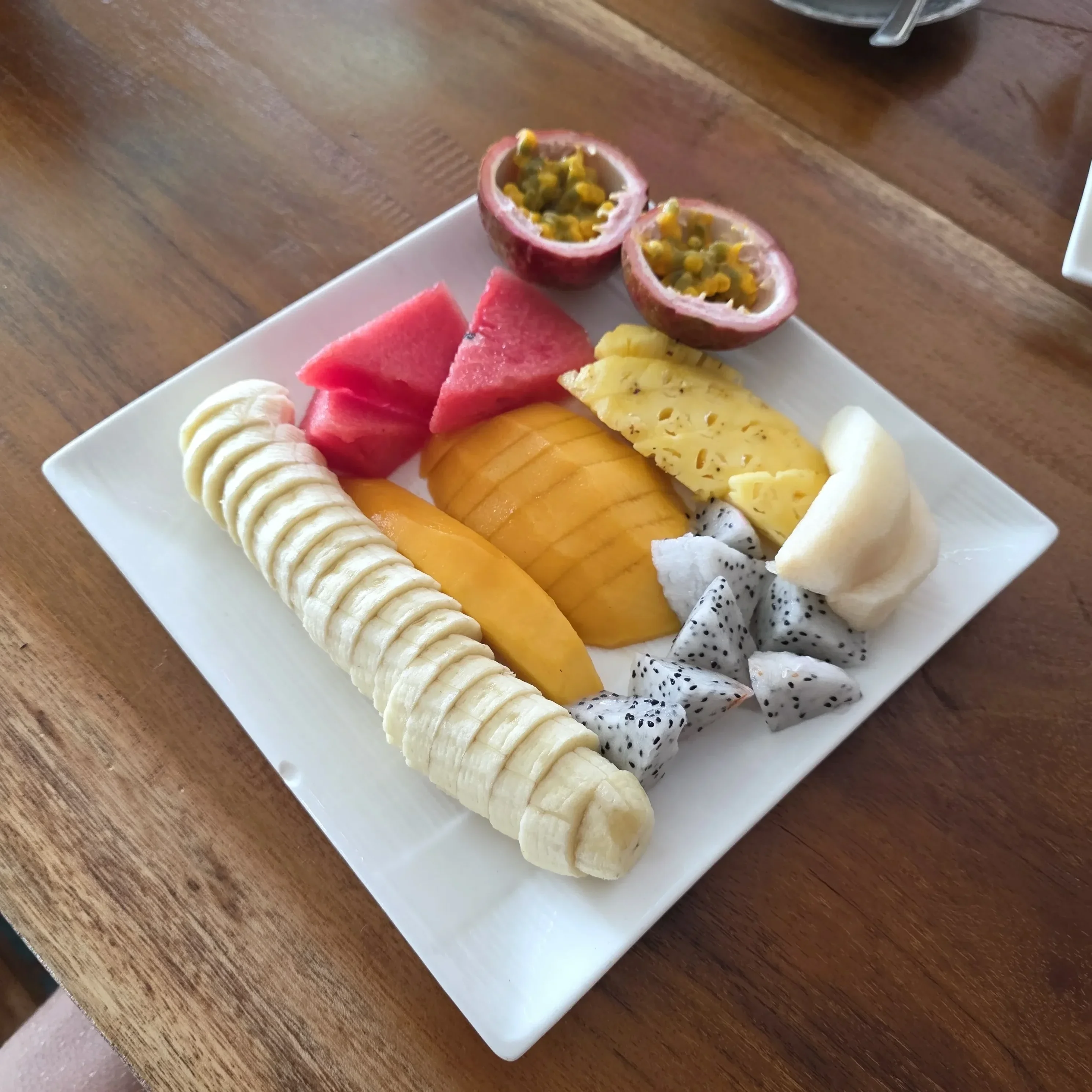 Before
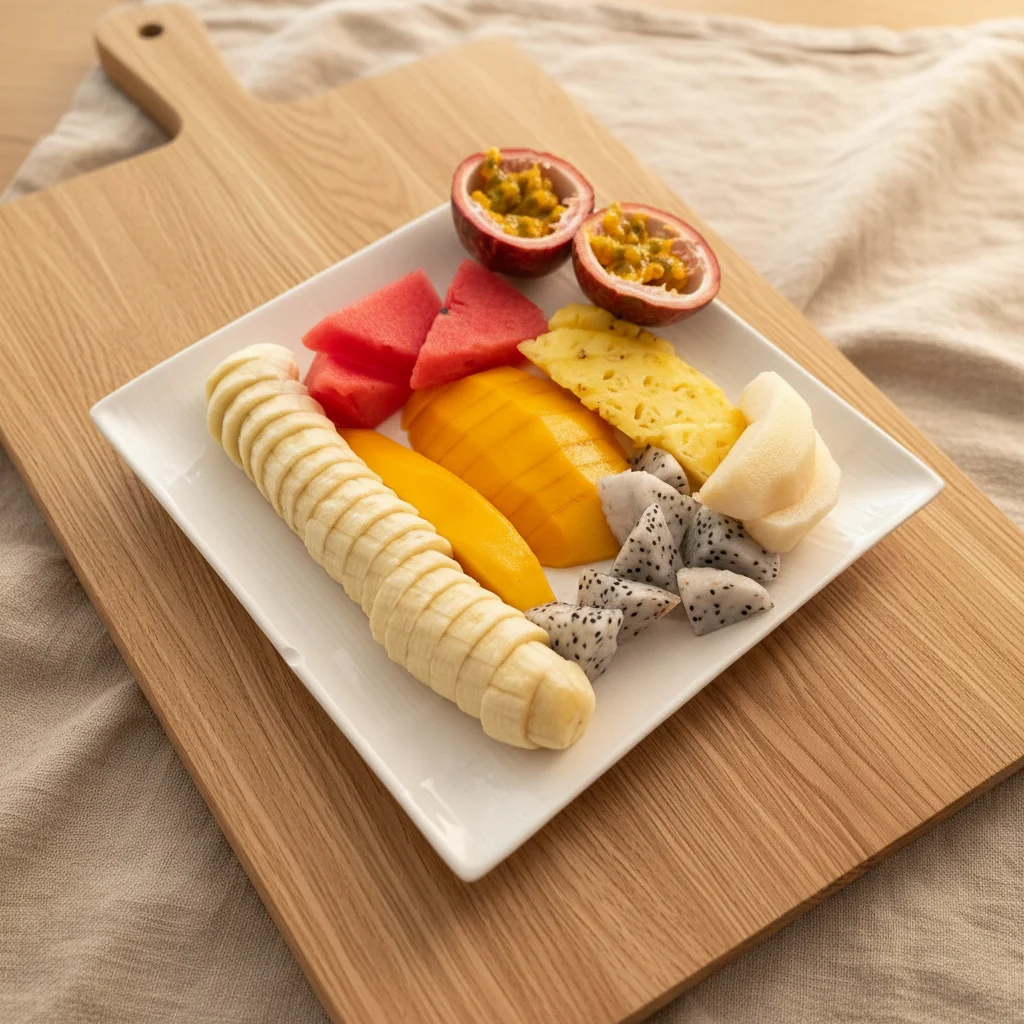 After
AfterStaying Authentic
AI-enhanced photos should represent what customers actually receive. Enhance the setting and lighting, but don't misrepresent portions, ingredients, or presentation quality. Customers who feel deceived leave bad reviews.
The goal is removing distracting backgrounds and creating consistency - not fabricating food you don't serve.
Ready to transform your cafe photos? Try GourmetPix free - 10 credits included, no credit card required.
Frequently Asked Questions
What's the best lighting for cafe food photography?
Natural window light. Position your dish so the window is at 9 or 3 o'clock (side lighting) for dimension and texture. Morning light works for breakfast items, afternoon golden-hour light creates warmth for drinks and pastries. Avoid harsh direct sunlight and mixed lighting from windows plus overhead bulbs.
How do I photograph latte art without distortion?
Shoot from directly overhead (90 degrees). Any other angle distorts the circular pattern. Use standard photo mode, not portrait mode. Tap to focus on the foam. Shoot immediately after pouring - foam patterns degrade within 90 seconds.
What camera settings work best for cafe photos?
Disable HDR. Use standard photo mode, not portrait mode. Tap to focus on the food. For iPhones, shoot in HEIF format. Android users can try RAW capture for more editing flexibility. Keep your phone steady or use a small tripod.
How do I get visible steam in drink photos?
Steam disappears quickly. Have your shot ready before the drink is made. For extended shooting, soak a cloth in hot water, wring it out, place it behind the cup just out of frame. The heat creates photogenic steam.
What angles work best for different cafe items?
Overhead for latte art and flat pastries. 45-degrees for most dishes - it's the most versatile. Straight-on for layer cakes, tall iced drinks, anything where height matters.
Can I use phone photos for professional cafe marketing?
Yes. Modern phones are more than capable with good lighting. The key factors are lighting, composition, and styling - not camera equipment. Natural window light, which cafes typically have, is what most professional food photographers prefer anyway.
How do I keep my menu photos consistent?
Set up a photography spot with good natural light and a consistent background. Shoot at the same time of day when possible. Use the same editing style as a starting point. AI scene transformation can also unify photos taken in different conditions.
What's the difference between photo editing and AI scene transformation?
Traditional editing adjusts exposure, colour, contrast - but the background stays what you captured. AI scene transformation replaces the environment around your food while preserving the food itself. Editing fixes technical issues. AI transformation solves the "my counter is cluttered" problem.
References
Ready to Transform Your Food Photos?
Join thousands of restaurants and food businesses using AI to create stunning, professional images.
GET STARTED